Chele La
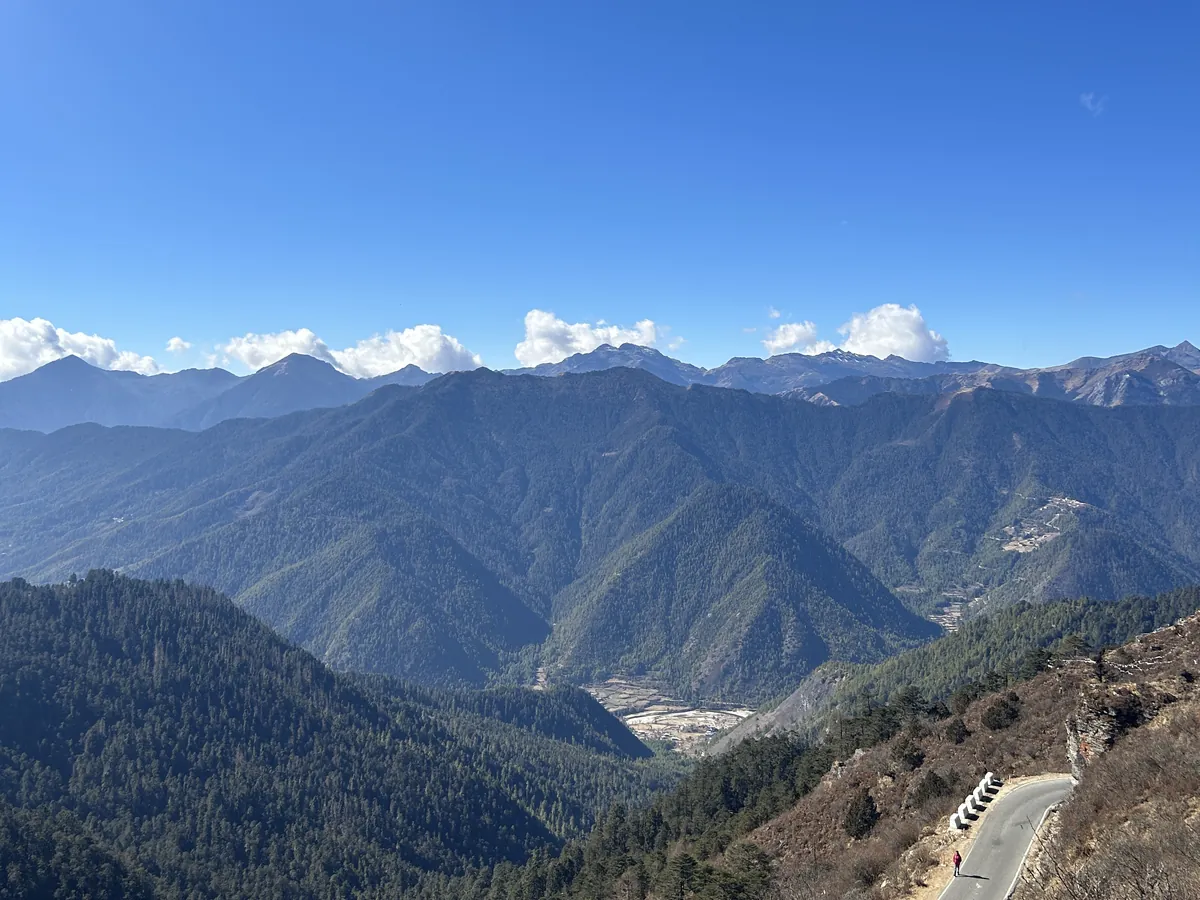
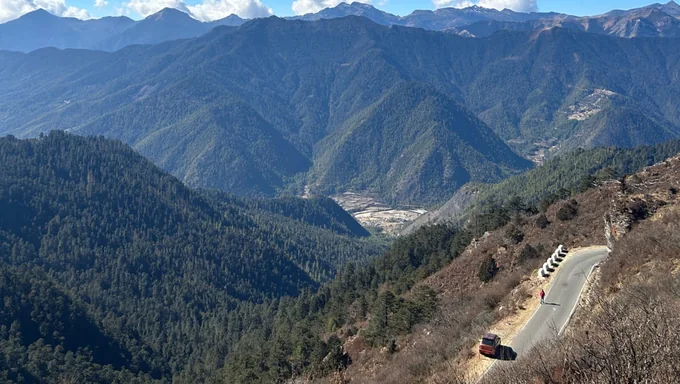
Forty minutes of switchbacks up from the Paro side. Cold, windy, and worth every minute for the ridge walk above the pass — twenty minutes of climbing gets you clear of the road and the flags.

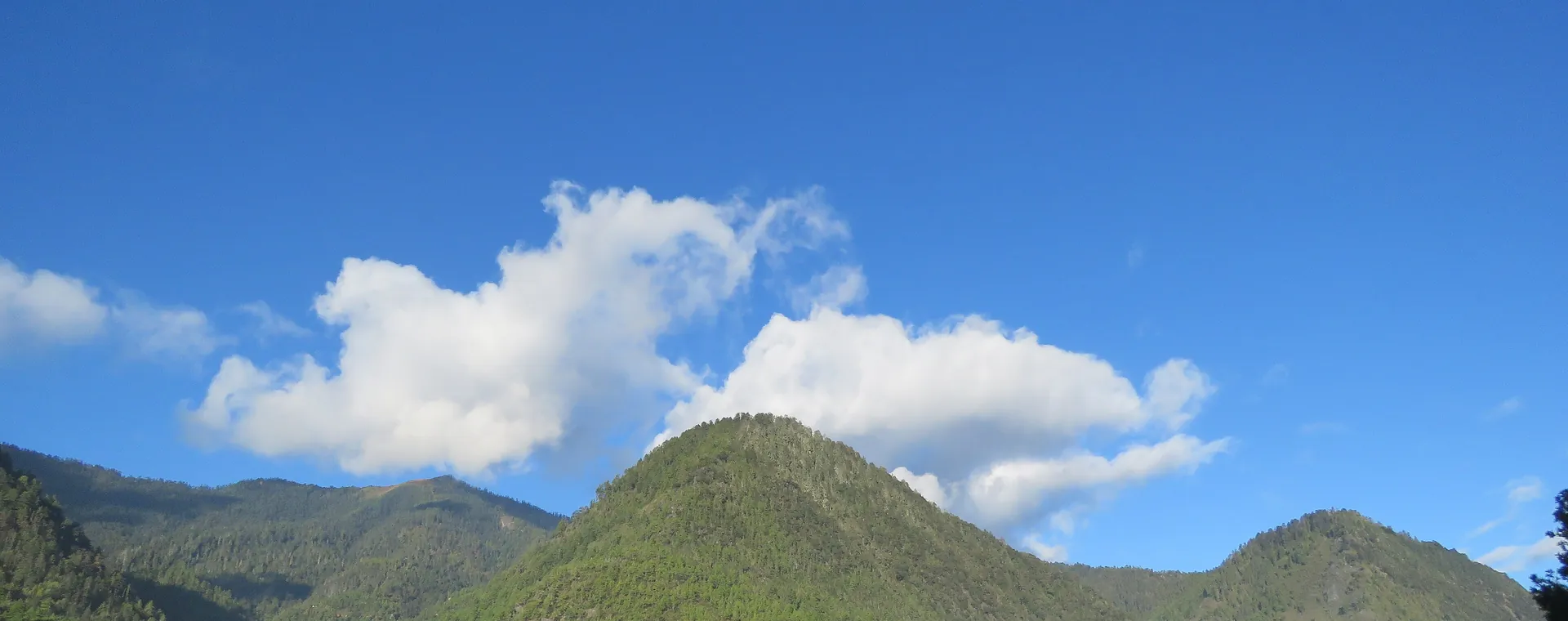
Haa valley opened to visitors only in 2002 and is reached from Paro over Chele La, at 3,988 m the highest motorable pass in Bhutan. Most people do it as a full day trip from Paro — two hours each way — rather than staying. April–May and September–November are the months that pay off.
Haa was closed to outsiders until 2002 and still sees a fraction of the traffic Paro does. It is a narrow valley of buckwheat, pine and old farmhouses, an hour and a half from Paro over a pass that is the real reason to go.
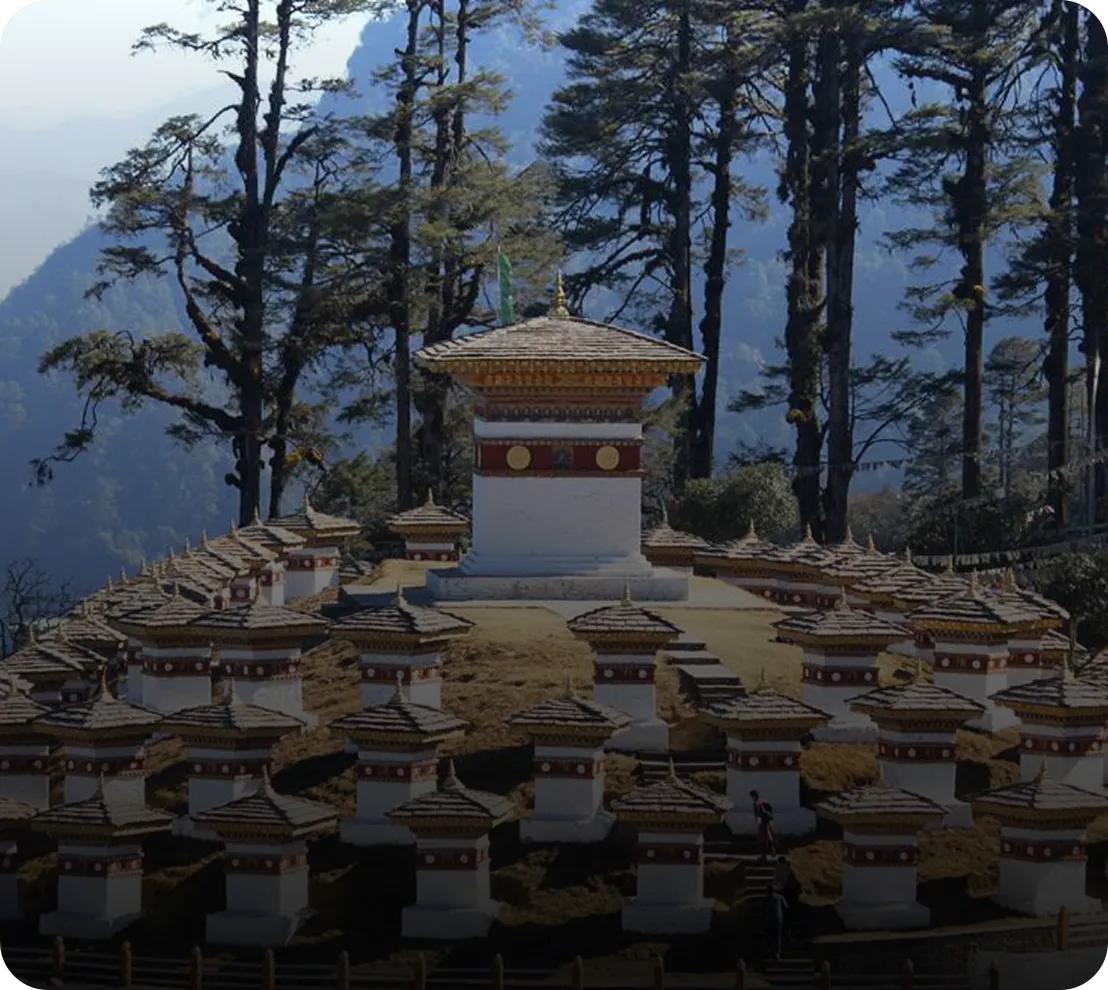
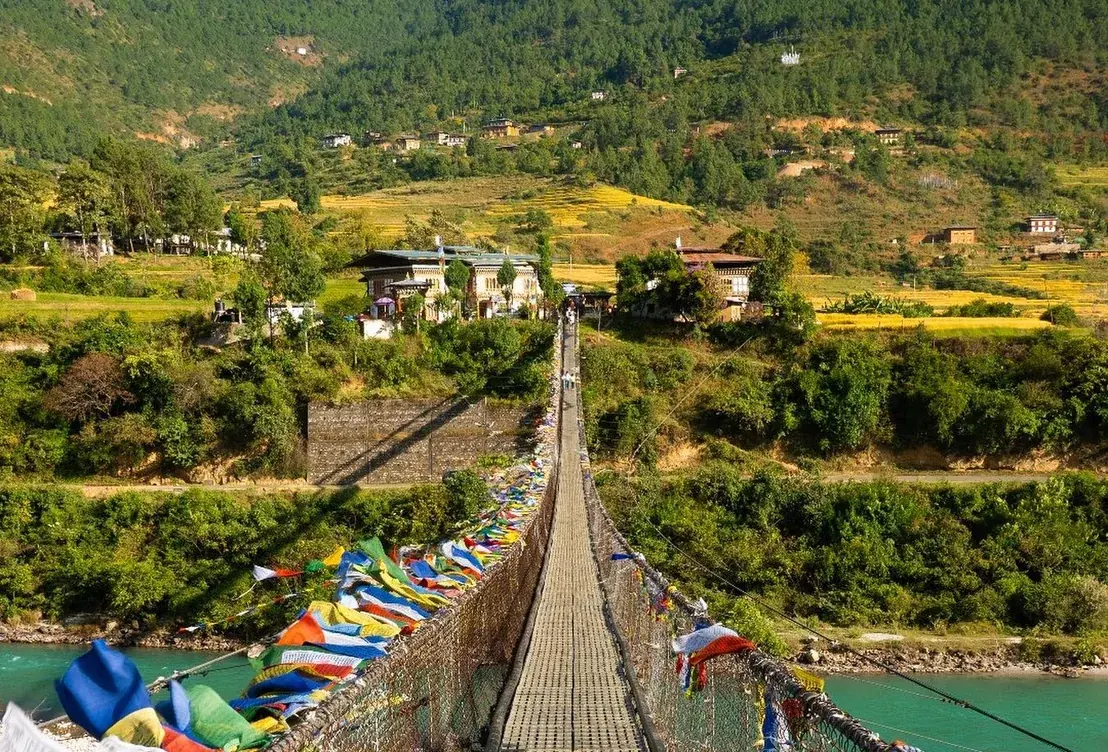
Chele La is the highest road pass in the country at 3,988 m. On a clear day Jomolhari stands over the northern end of the valley, and the ridge is covered in prayer flags for a kilometre in each direction.
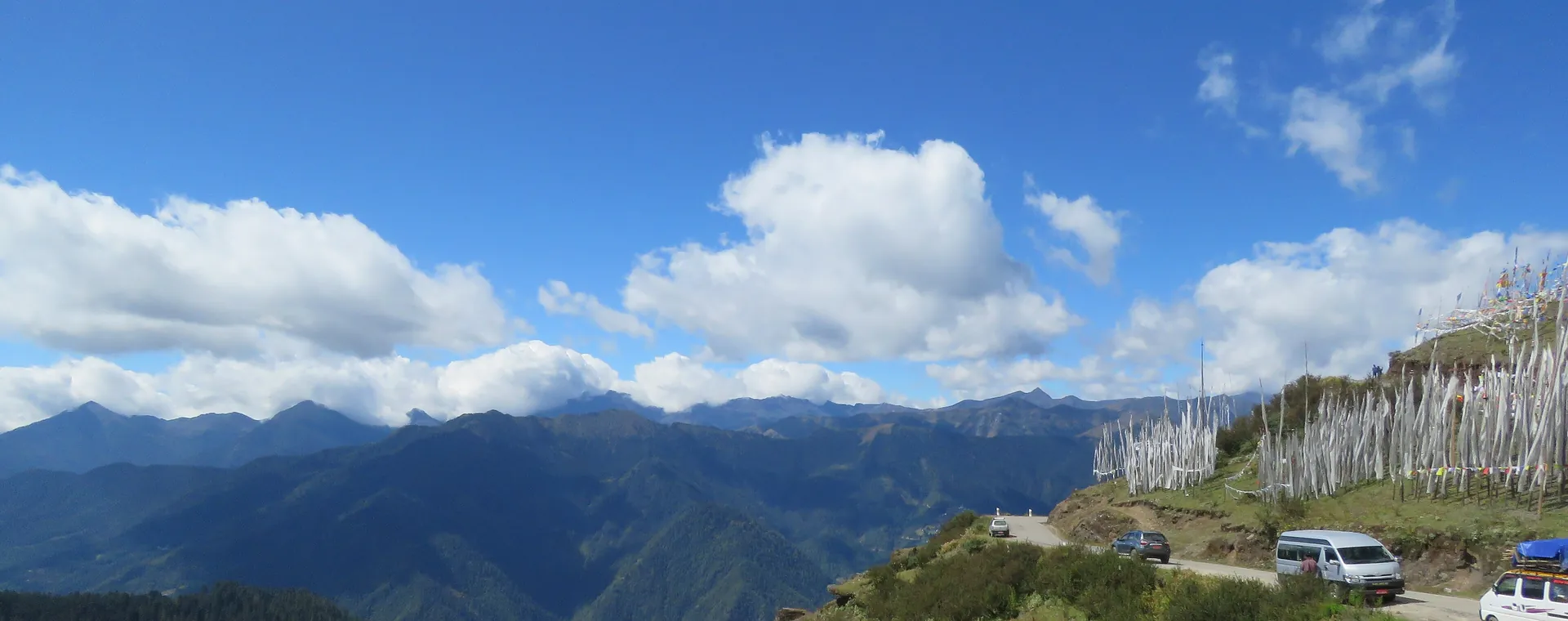
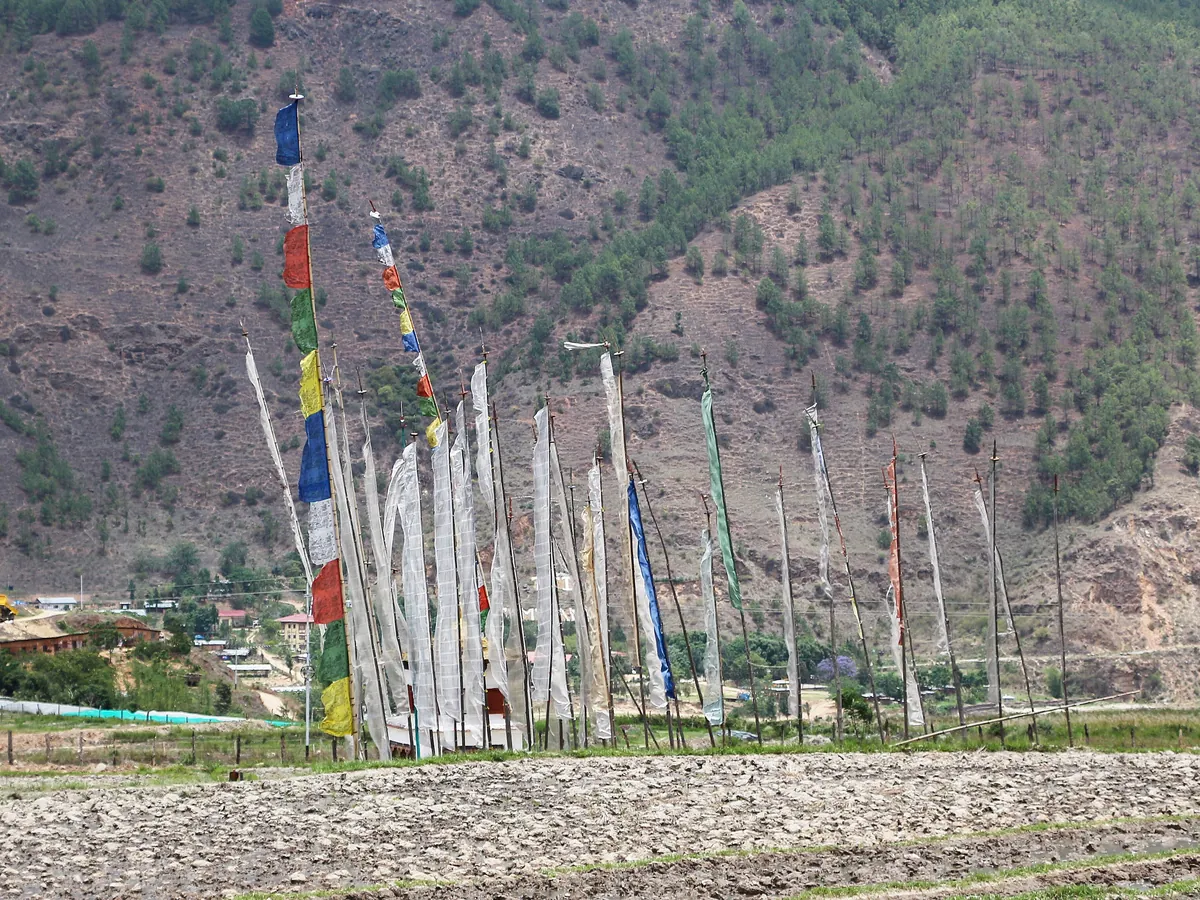
Forty minutes of switchbacks up from the Paro side. Cold, windy, and worth every minute for the ridge walk above the pass — twenty minutes of climbing gets you clear of the road and the flags.
The white and black temples at the head of the valley, both seventh century, tied together by the legend of a white and a black pigeon. Ten minutes apart on foot.
Small, low-key, and unpolished in a way the tourist valleys no longer are. Buckwheat pancakes and a walk along the Haa Chhu is most of the afternoon.
The Chele La approach carries dense rhododendron forest that flowers through April and early May. Different trip entirely from the winter one.
From Paro it is about 40 minutes of switchbacks up to Chele La, then a long descent into the valley — two hours door to door. There is a second, longer road in from the south via Chukha that almost nobody uses. There is no airport and no public transport worth the name; this is a private-vehicle destination.
A full day out of Paro covers it: the pass in the morning when the light is on Jomolhari, the two temples at the head of the valley, lunch in Haa town, and back over the pass by late afternoon. One night in a Haa farmhouse is worth it only if you want the valley without the day-tripper rhythm, or if you are walking the ridge above the pass properly.
The national SDF applies — ₹1,200 per adult per night, ₹600 for ages 6–12 — but a day trip from Paro adds no extra night, which is why most itineraries do it that way. There is no entry charge at the pass. Lhakhang Karpo and Lhakhang Nagpo take a small donation. Bring cash; there is effectively nothing electronic in this valley.
Paro is two hours back over the pass and is the only practical base. Chele La itself is the halfway point and the reason for the drive, with a ridge walk above the road that takes twenty minutes of climbing to get clear of the cars.
| Months | Weather | What it is good for | The catch |
|---|---|---|---|
| March–May | Cold at the pass, mild below | Rhododendron forest on the Chele La approach | The pass can still hold snow in March |
| June–August | Wet | Green and completely empty | Cloud sits on the pass; no Jomolhari |
| Sept–Nov | Clear, cold mornings | The best Jomolhari views of the year | Wind at the pass is serious — bring a layer |
| Dec–Feb | Freezing | Hard clear skies | Snow closes Chele La for days at a time |
Tell us how many days you have. We will say honestly whether it belongs in your trip or whether the drive eats the day.
Talk to a Bhutan specialist →