Buddha Dordenma
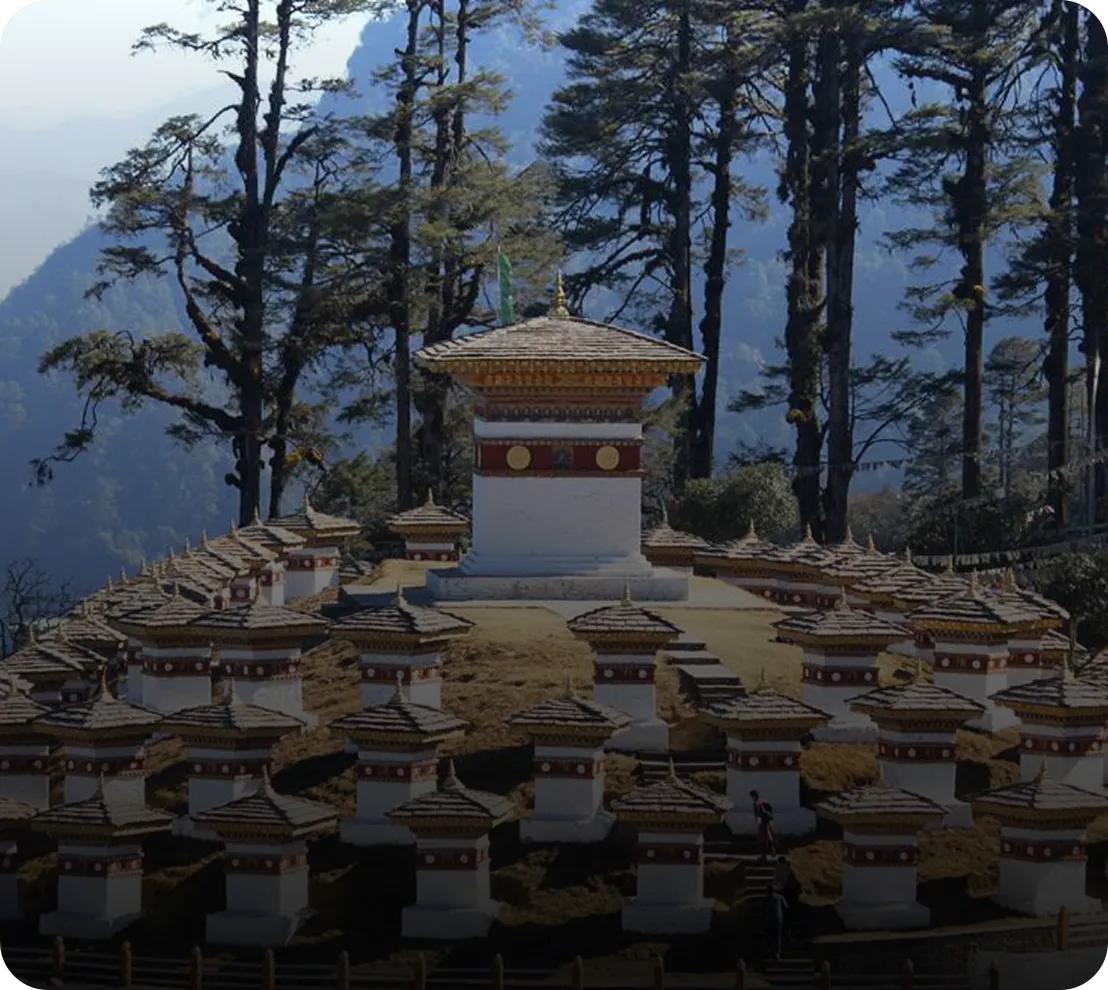
A 51 m gilded Shakyamuni on the ridge south of town, with thousands of smaller Buddhas inside the base. Come at the end of the day — the whole valley opens up below it.

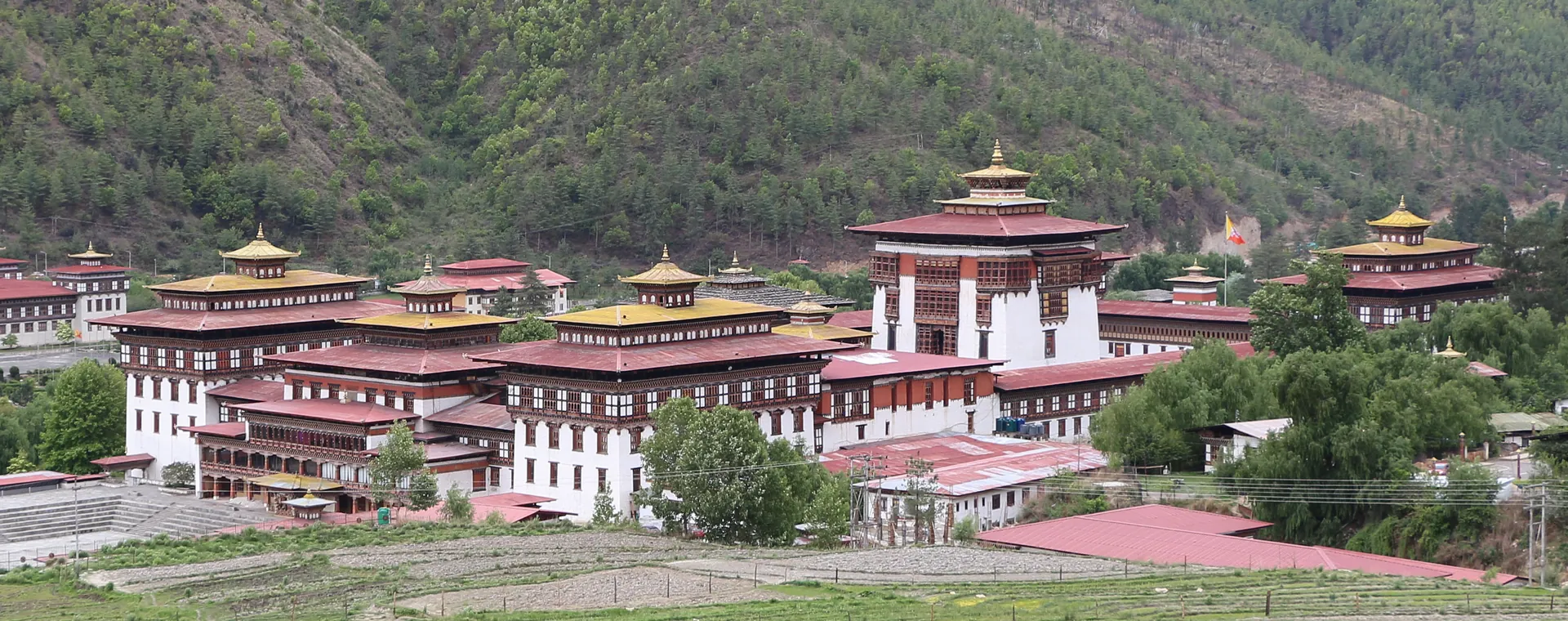
Thimphu is Bhutan’s capital at 2,320 m and the only national capital on earth with no traffic lights. One or two nights covers it — Buddha Dordenma, the thirteen traditional arts school and the weekend market. It is 1 hr 15 min from Paro by road and works in any month of the year.
Thimphu is the only national capital with no traffic lights — they installed one, disliked it, and put the white-gloved policeman back. That story tells you most of what you need to know about the place: modern enough to have decent coffee and a nightlife, unwilling to stop being itself.
It is a working city rather than a sight, so a day and a half is usually right. Long enough for the Buddha, the crafts school and a weekend market; short enough that you are back on the road before the city starts to feel ordinary.
A 51 m gilded Shakyamuni on the ridge south of town, with thousands of smaller Buddhas inside the base. Come at the end of the day — the whole valley opens up below it.
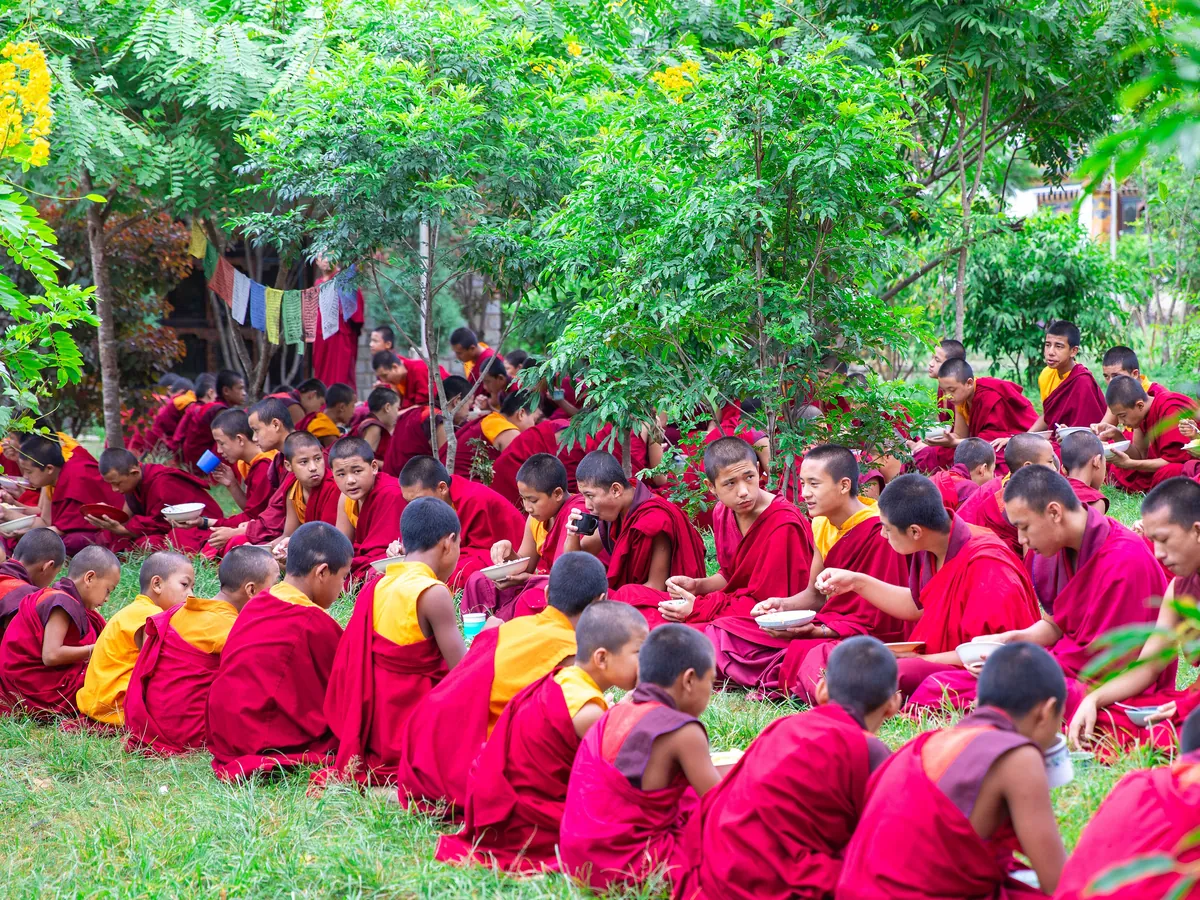
The school where the thirteen traditional arts are taught. You walk through classrooms of students doing thangka painting, wood carving and embroidery. Closed weekends and holidays.
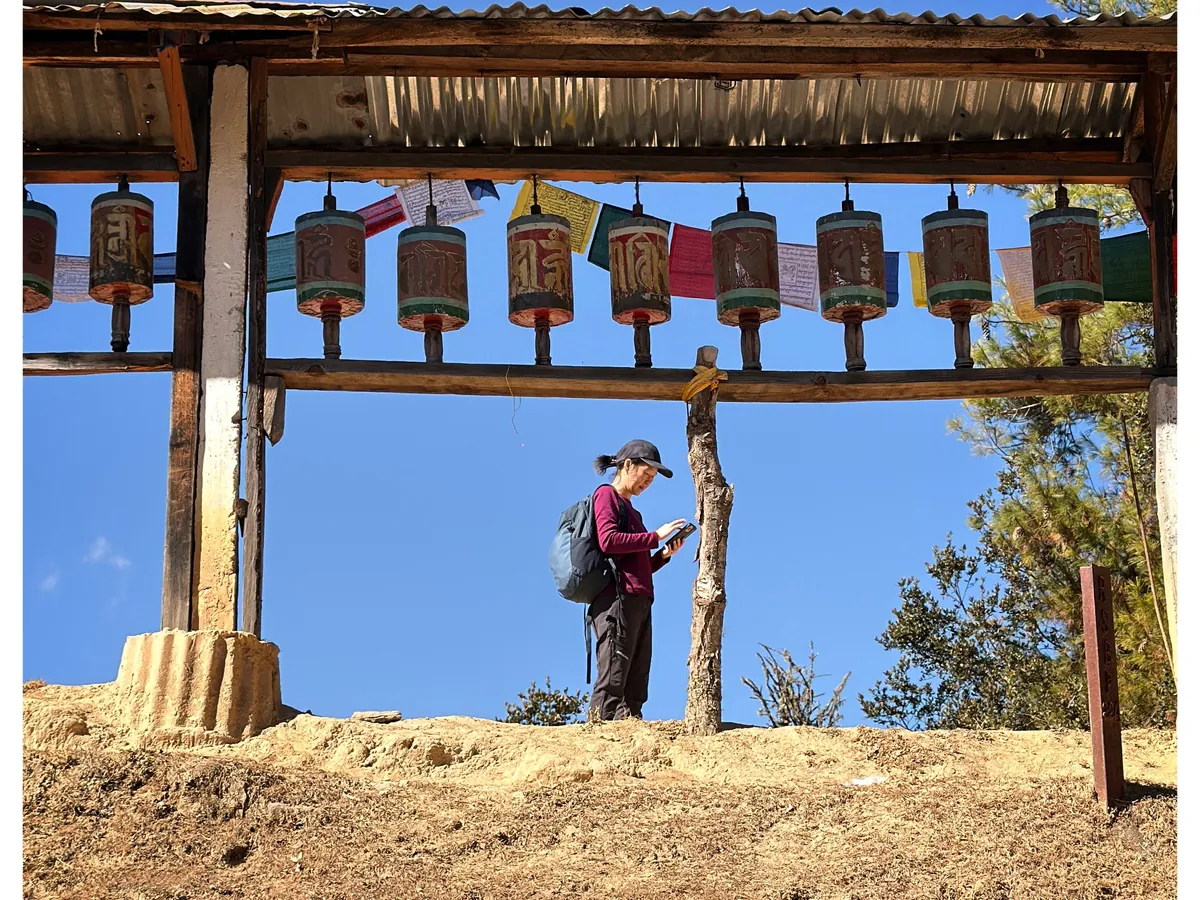
A twelfth-century temple where Thimphu families bring newborns to be named. Prayer wheels along the wall and the best view over the city.
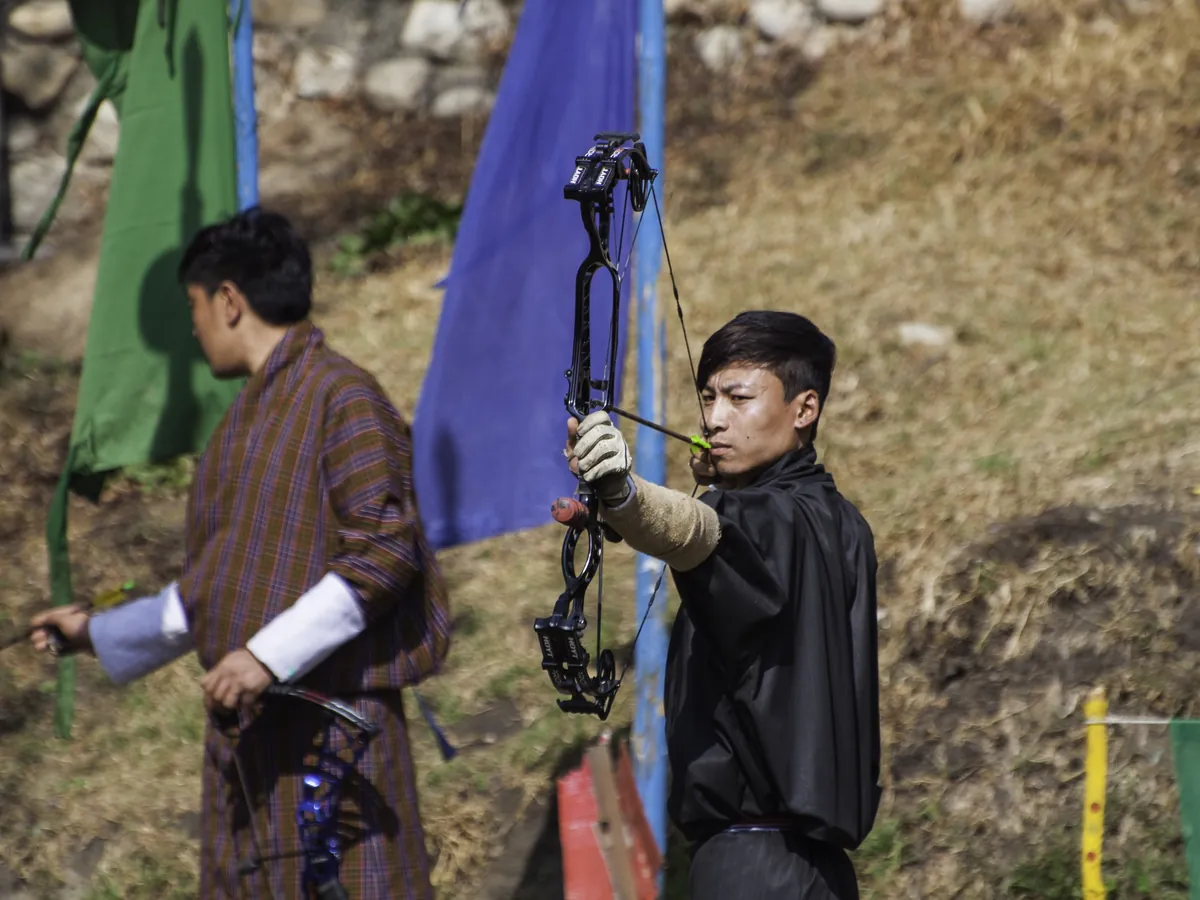
Friday to Sunday by the river: chillies, ferns, datse cheese and dried fish. Then Changlimithang, where archery is played at 145 m with a fair amount of shouting.
There is no airport. Everyone arrives by road: 1 hr 15 min from Paro, about 2 hr 30 min from Punakha over Dochula, and roughly five to six hours up from Phuentsholing on the Indian border. The Thimphu–Paro expressway is the best road surface in the country, so the drive in is an easy one whichever direction you come from.
A day and a half is usually right. Thimphu is a working city rather than a sight, and the things worth doing — the Buddha at the end of the day, Zorig Chusum in the morning, Changangkha, the market — fit comfortably into that. Stretch to two nights if your dates land on a Friday or Saturday, when the weekend market and the archery ground are both running.
The SDF of ₹1,200 per adult per night (₹600 for children 6–12) applies here as everywhere in Bhutan. Thimphu is the one place where cards work reliably in hotels and larger restaurants, and it has the most dependable ATMs in the country — draw your cash here, because the machines thin out fast once you leave. Indian rupees are accepted at par, though ₹500 notes are refused in some shops.
Dochula Pass is 45 minutes east and is the gateway to Punakha, 1 hr 45 min beyond it. Paro is 1 hr 15 min west. Cheri and Tango monasteries sit at the top of the valley, half an hour north, and both are short uphill walks if you want a morning outside the city.
| Months | Weather | What it is good for | The catch |
|---|---|---|---|
| March–May | Mild, 10–23°C | Comfortable walking weather | Occasional pre-monsoon showers |
| June–August | Wet, 15–25°C | Quietest streets, lowest room rates | Rain most afternoons |
| Sept–Nov | Crisp, 5–22°C | Thimphu Tshechu and clear skies | The busiest window of the year |
| Dec–Feb | Cold, −3–13°C | Clear air and good mountain days | Nights are genuinely cold; heating is patchy |
Tell us how many days you have. We will say honestly whether it belongs in your trip or whether the drive eats the day.
Talk to a Bhutan specialist →