Taktsang — the Tiger’s Nest
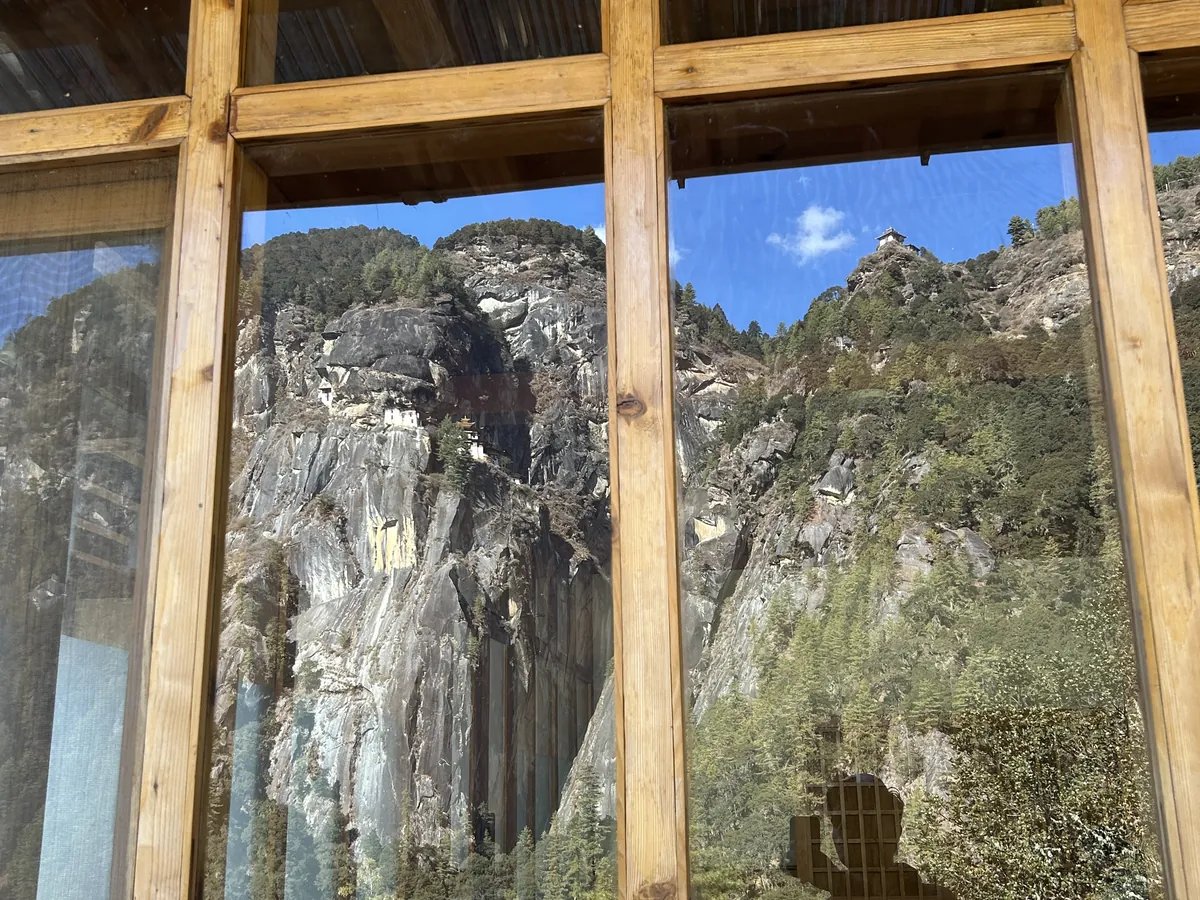
Roughly 900 m of climb, four to six hours return depending on your pace. There is a cafeteria at the halfway point with a clear view across the gorge, and horses can carry you as far as that point but no further.

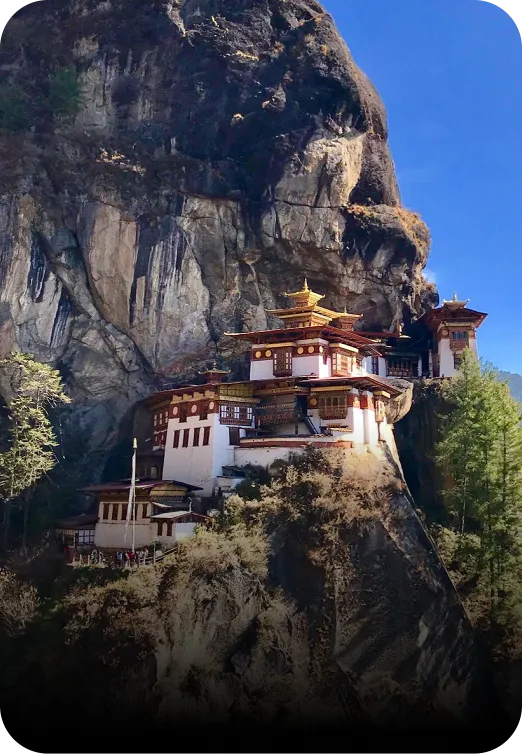
Paro sits at 2,200 m in western Bhutan and holds the country’s only international airport and Taktsang, the Tiger’s Nest. Two nights suit most travellers; three if you want to climb Taktsang without rushing it. The valley is the gentlest place in Bhutan to spend a first day at altitude.
Paro is where your plane comes in — a single runway on the valley floor, hills on both sides, and one of the few airports in the world pilots need a specific certification to land at. It is also where most people end their trip, which is the right way round: the valley rewards a second look.
The valley is wide, flat and farmed, at about 2,200 m. That makes it the gentlest place in Bhutan to spend your first day while your body works out the altitude, and the obvious base for the Taktsang climb once it has.
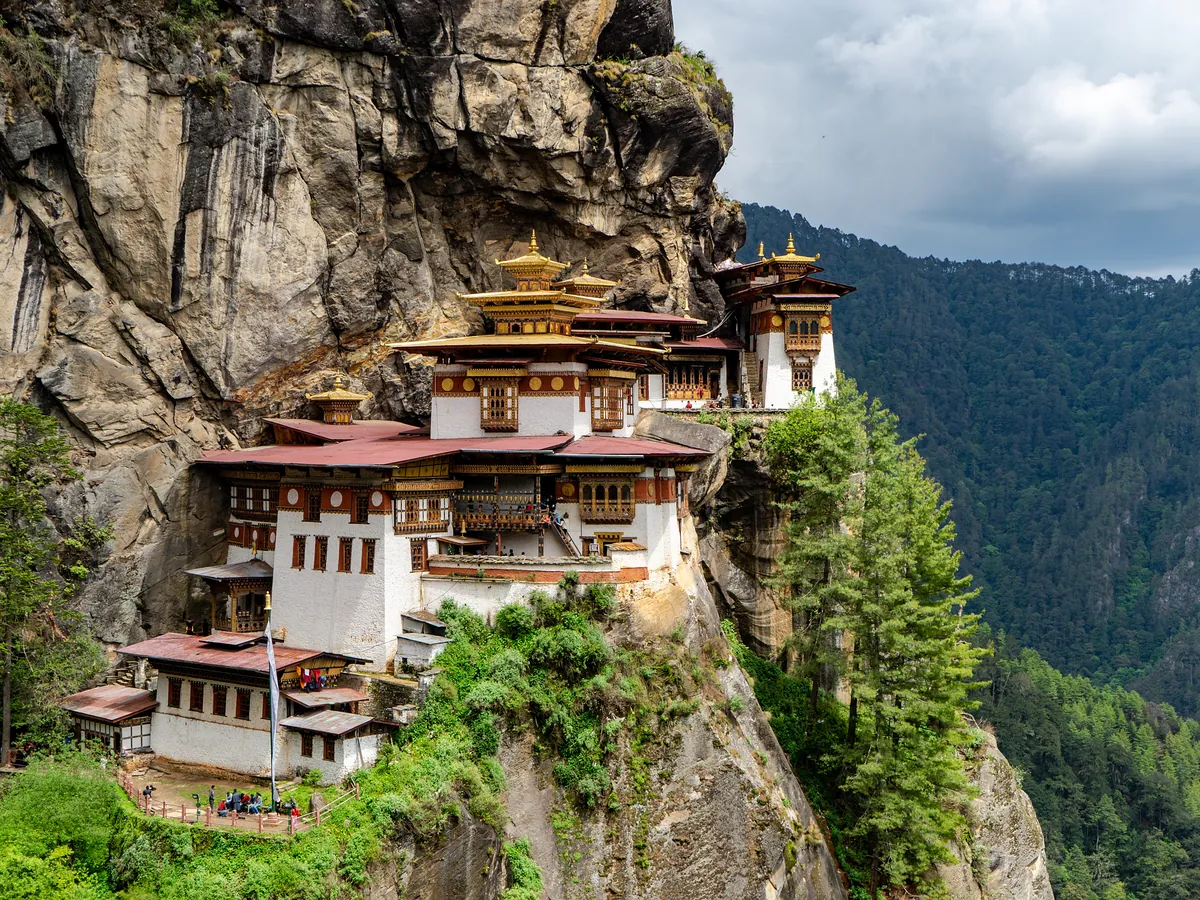
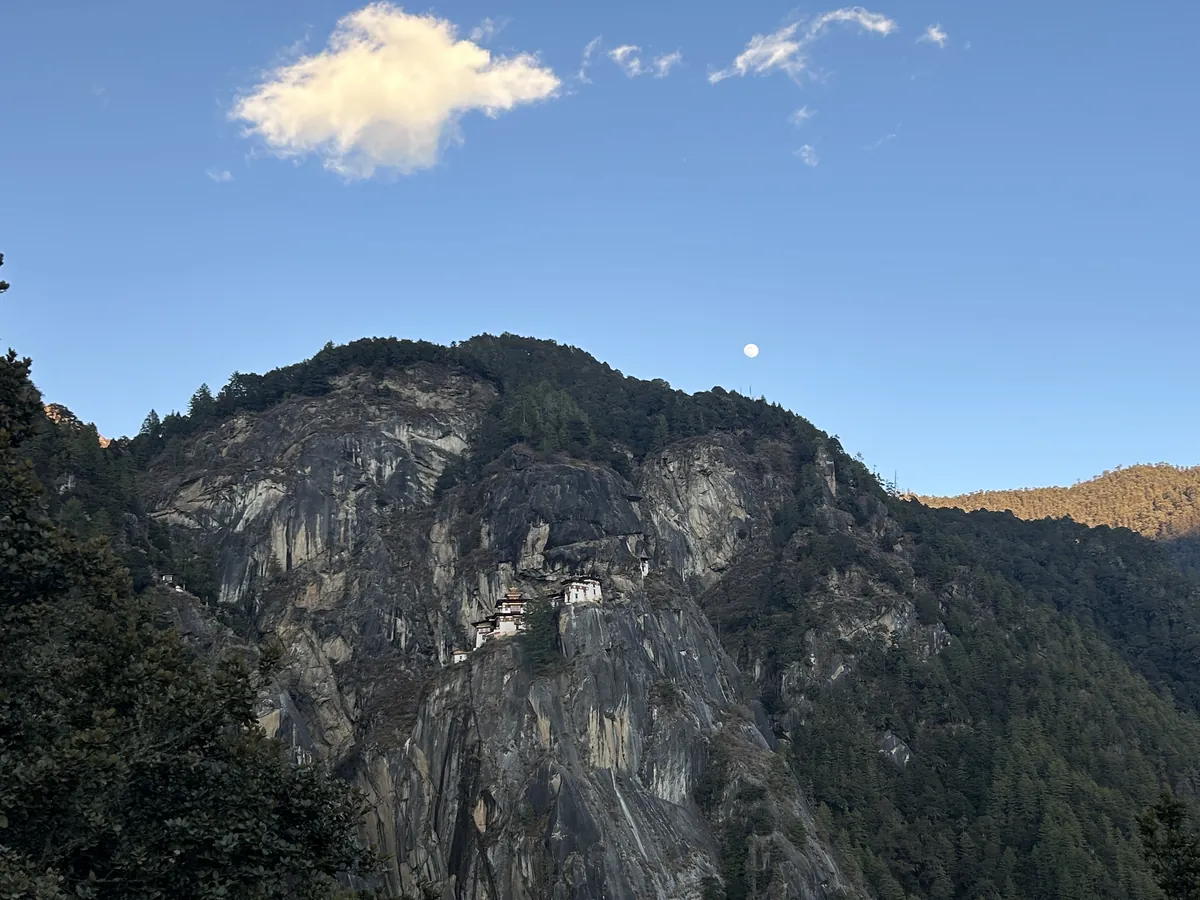
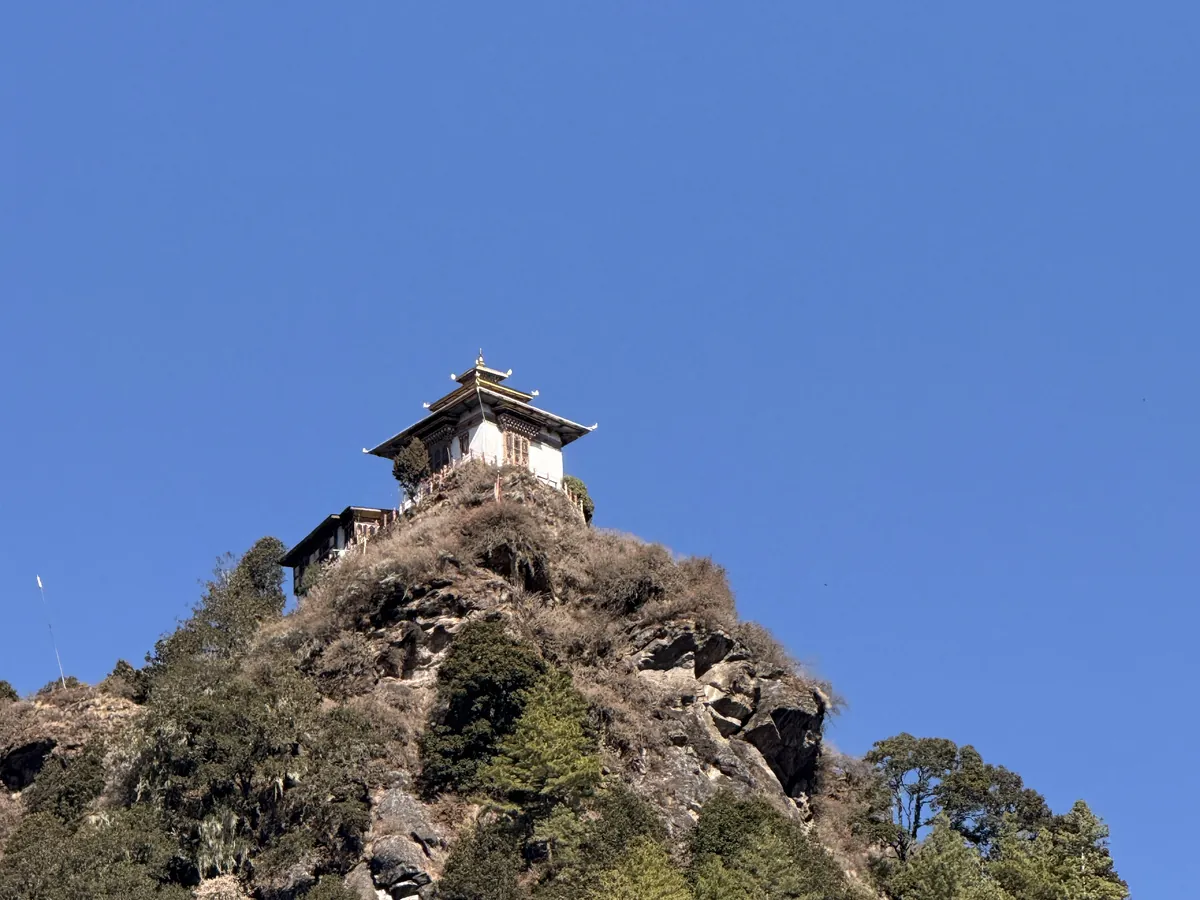
Roughly 900 m of climb, four to six hours return depending on your pace. There is a cafeteria at the halfway point with a clear view across the gorge, and horses can carry you as far as that point but no further.
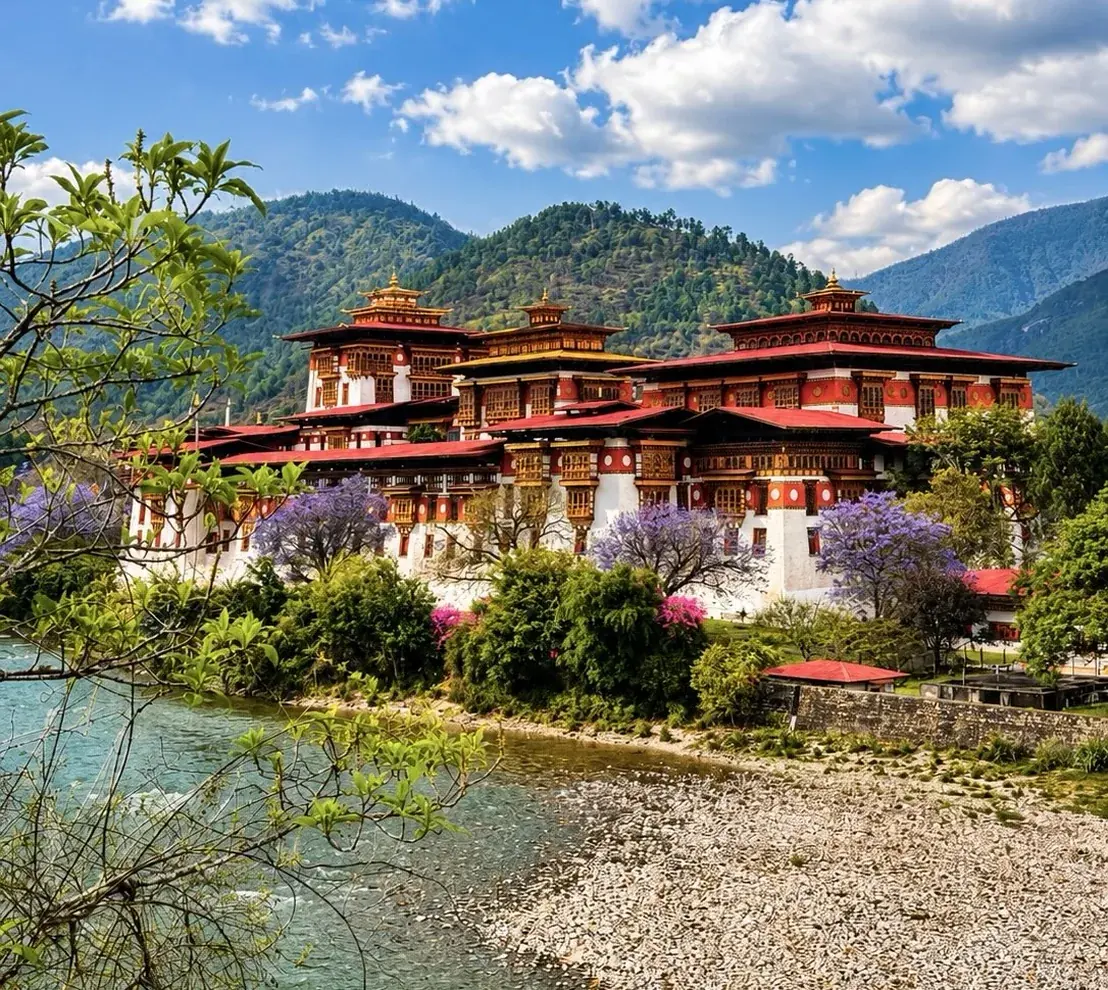
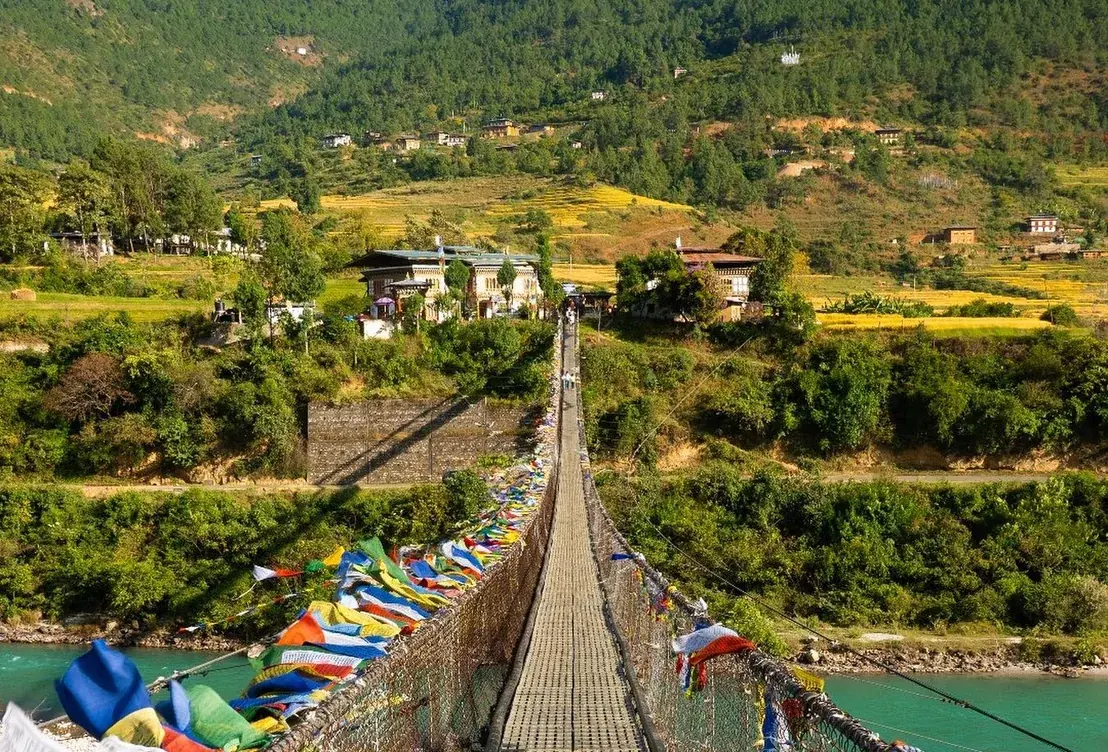
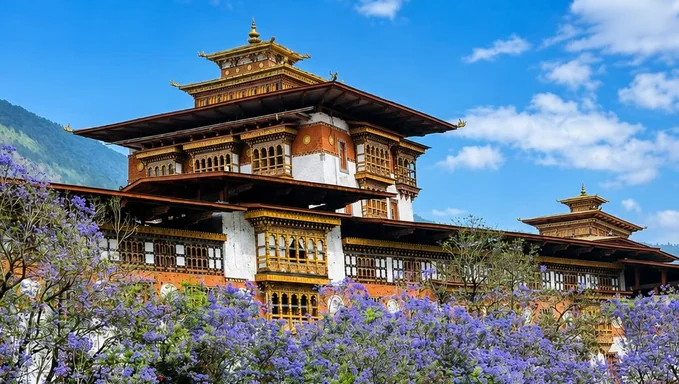
A working fortress-monastery above the river, reached over a covered cantilever bridge. Monks still live and study here, so it is not a museum piece; go in the late afternoon when the courtyard light is good.
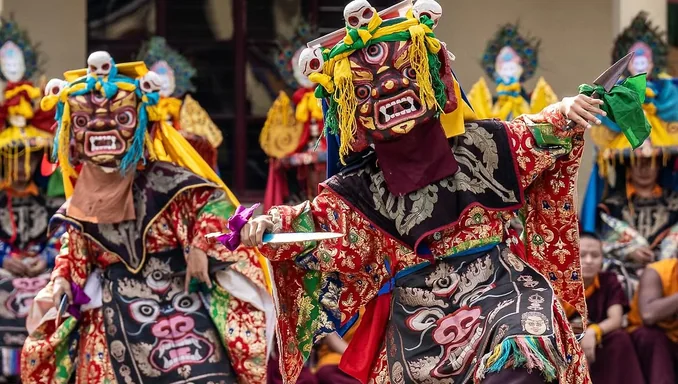
Housed in the old circular watchtower on the hill above the dzong. Small, well curated, and the best half hour you can spend on Bhutanese textiles and festival masks anywhere in the country.
One of the oldest temples in Bhutan, seventh century, still quietly in use. Ten minutes from town and usually empty.
Two ways in. Flying, Drukair and Bhutan Airlines run to Paro from Delhi, Kolkata, Bagdogra, Guwahati, Bangkok, Kathmandu and Singapore — the only airport in the country, and the runway is on the valley floor. By road, it is Phuentsholing at the Indian border, then about six hours of hill driving through Chukha to Paro. Most Indian travellers come by road through Jaigaon and Phuentsholing, which is where our own office sits.
Two nights is the working answer: one for the valley floor — the dzong, the museum, Kyichu — and one built around Taktsang, which takes most of a morning and leaves you wanting the afternoon off. Add a third night if you are flying in and out of Paro, because the arrival day is effectively gone, or if Haa and Chele La are on your list.
Bhutan’s Sustainable Development Fee is ₹1,200 per adult per night for Indian nationals and ₹600 for children aged 6–12 — set by the government, charged wherever you sleep in the country, and billed on top of any tour cost. Entry to Rinpung Dzong and the National Museum is a few hundred ngultrum each. Taktsang has a permit fee collected at the base, and a horse as far as the halfway cafeteria is negotiated locally.
Thimphu is 1 hr 15 min east on a good road. Haa is about two hours west over Chele La at 3,988 m, which makes a full day trip out of Paro and is the usual way people see the pass. Drukgyel Dzong and the road head for the Jomolhari trek are 30 minutes up-valley.
| Months | Weather | What it is good for | The catch |
|---|---|---|---|
| March–May | Warm, 8–24°C | Rhododendron and the Paro Tshechu | Afternoon haze softens the mountain views |
| June–August | Wet, humid | Green valley, fewest visitors | Monsoon cloud; Paro flights are the most delay-prone |
| Sept–Nov | Clear, 5–22°C | The sharpest views of the year | Peak season — hotels book out months ahead |
| Dec–Feb | Cold, −5–15°C | Empty trails and hard blue skies | The Taktsang path can ice up early morning |
Tell us how many days you have. We will say honestly whether it belongs in your trip or whether the drive eats the day.
Talk to a Bhutan specialist →