The cranes, late Oct to mid-Feb
The Crane Information Centre at the valley edge has scopes and a hide. First light and last light are when the birds move; the middle of the day they are scattered across the marsh.

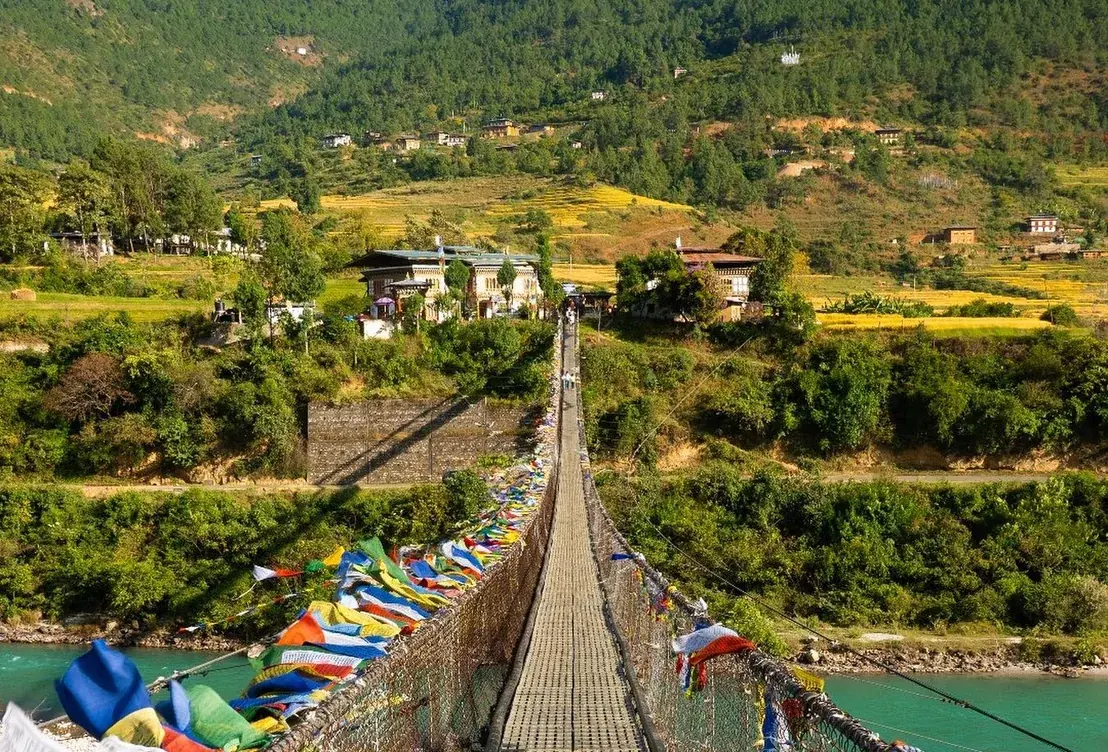
Phobjikha is a glacial valley at 3,000 m in central Bhutan where several hundred black-necked cranes winter from late October to mid-February. One or two nights, 2 hr 30 min east of Punakha. Outside crane season it is still the quietest and darkest valley we send people to.
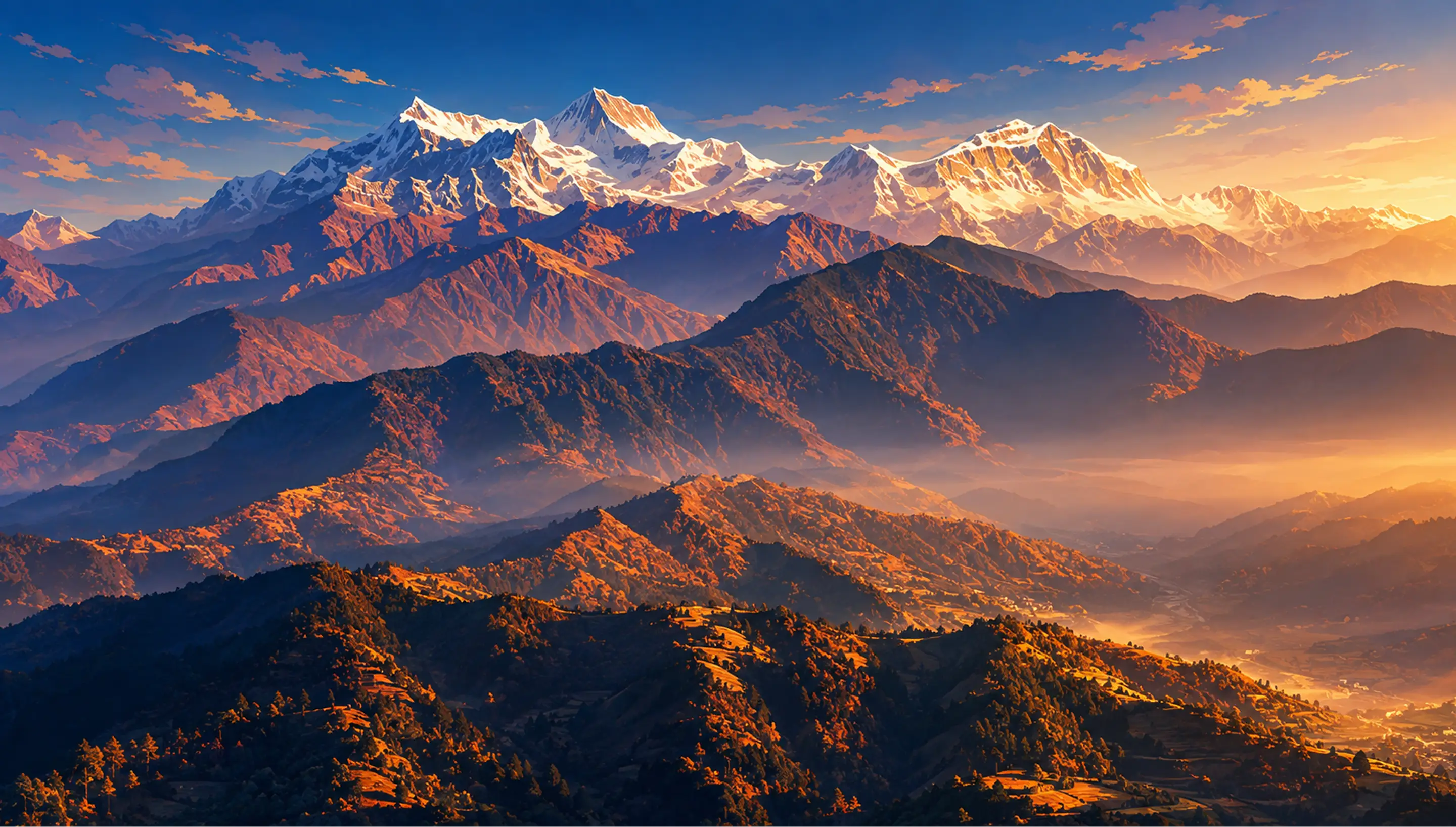
Phobjikha is a glacial valley at about 3,000 m, wide and treeless where the rest of Bhutan is steep and forested. Around 500 black-necked cranes fly in from Tibet at the end of October and stay until mid-February, and the valley organises itself around them.
It is the quietest place we send people. Power lines were laid underground rather than strung across the valley so the cranes would not hit them, which also means the night sky here is genuinely dark.
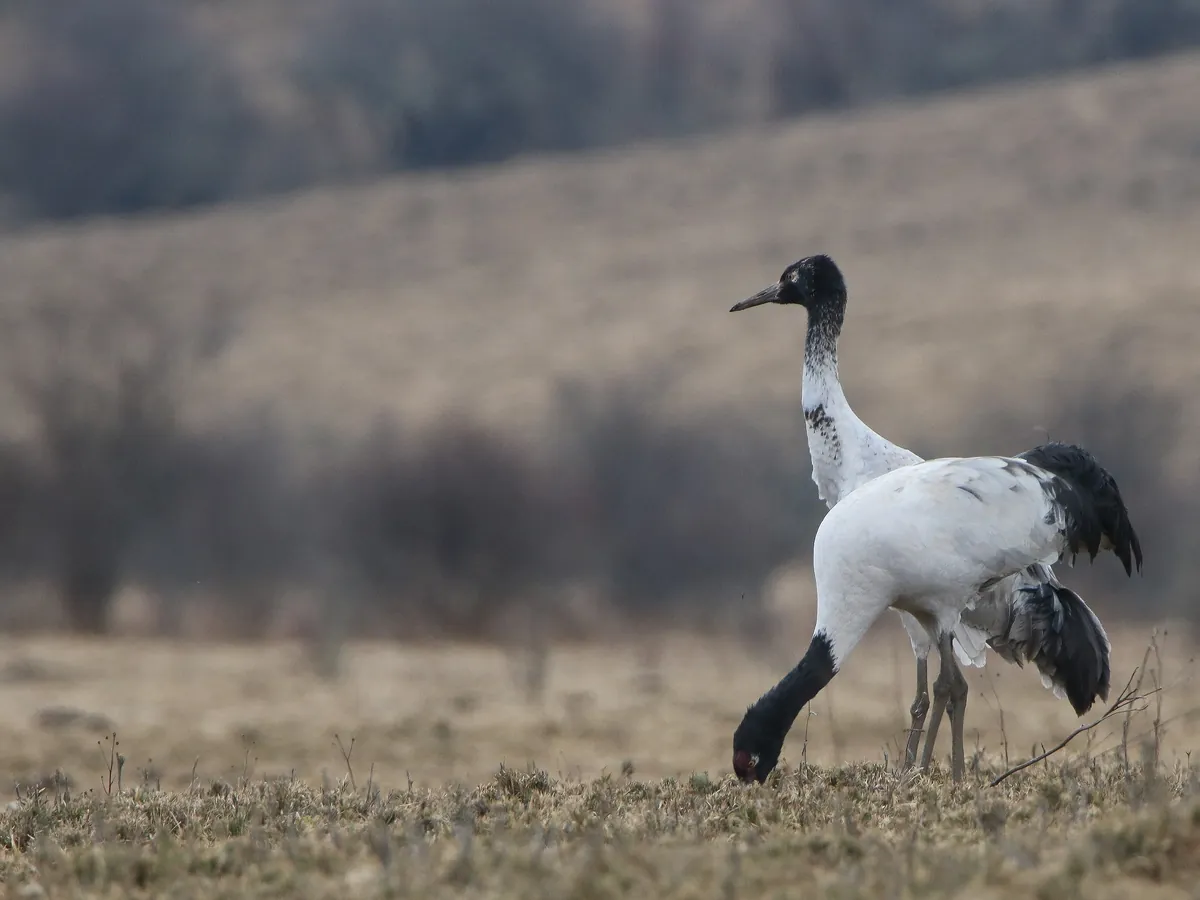
The Crane Information Centre at the valley edge has scopes and a hide. First light and last light are when the birds move; the middle of the day they are scattered across the marsh.
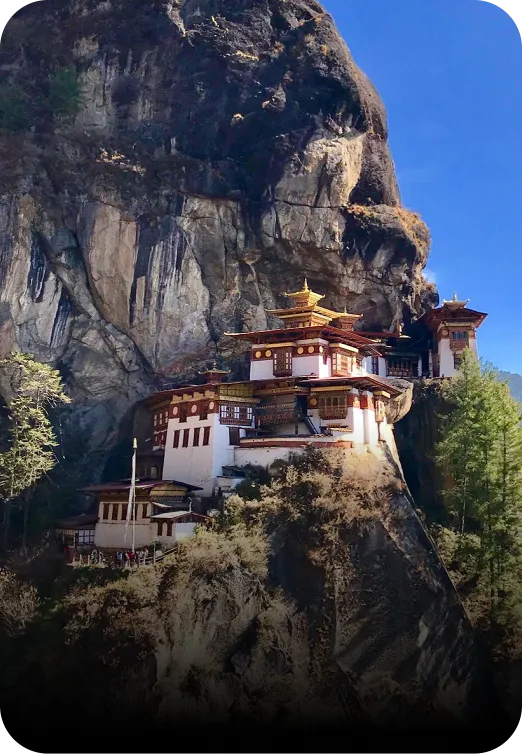
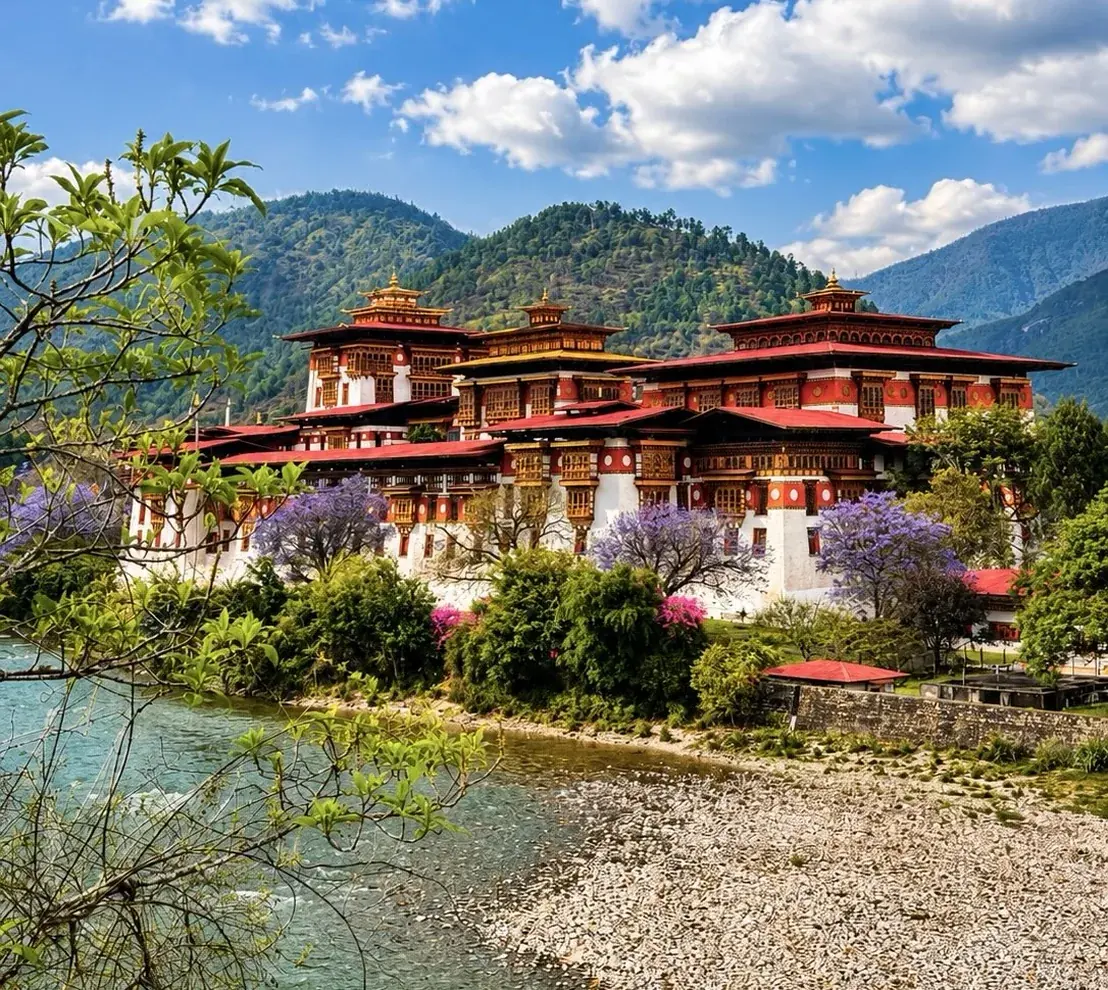
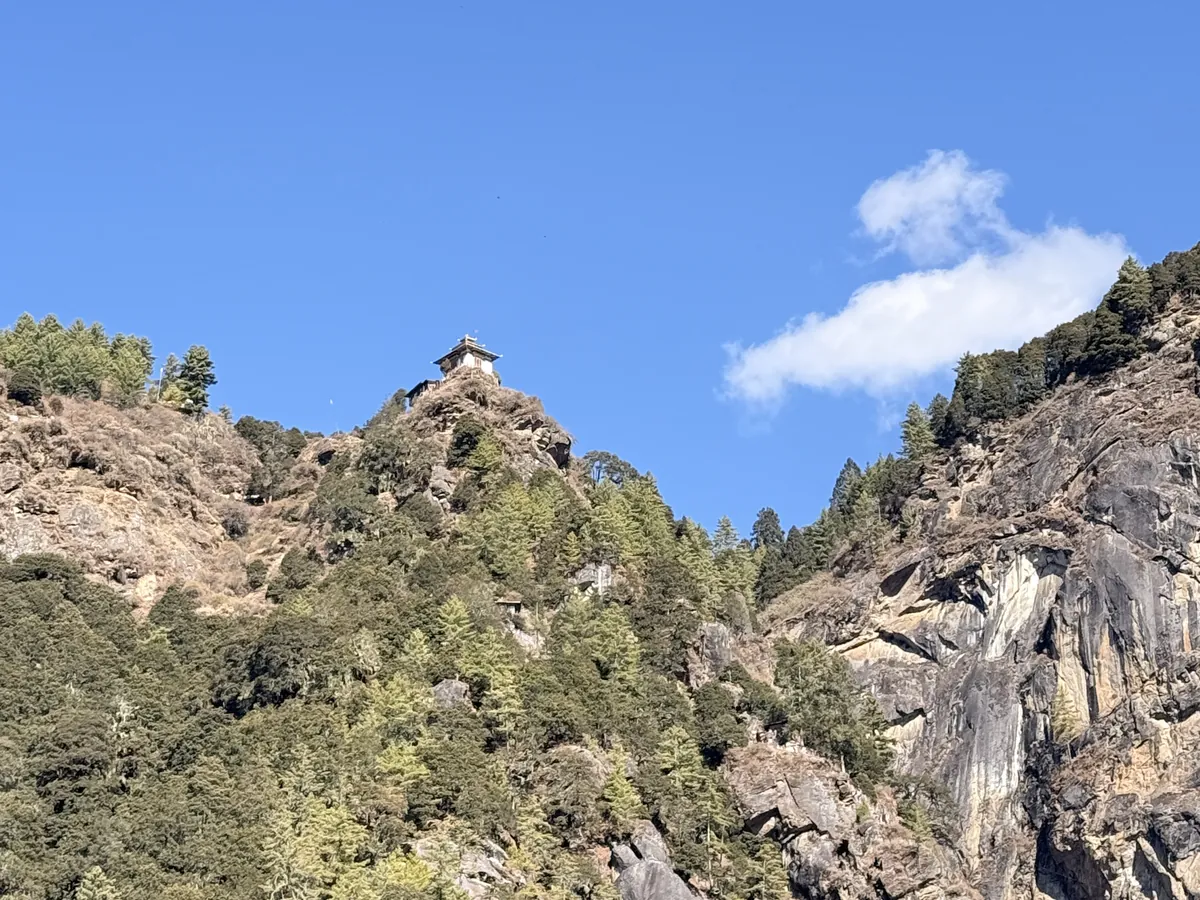
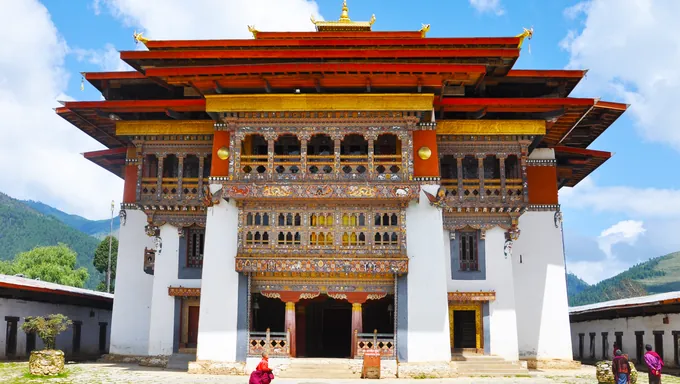
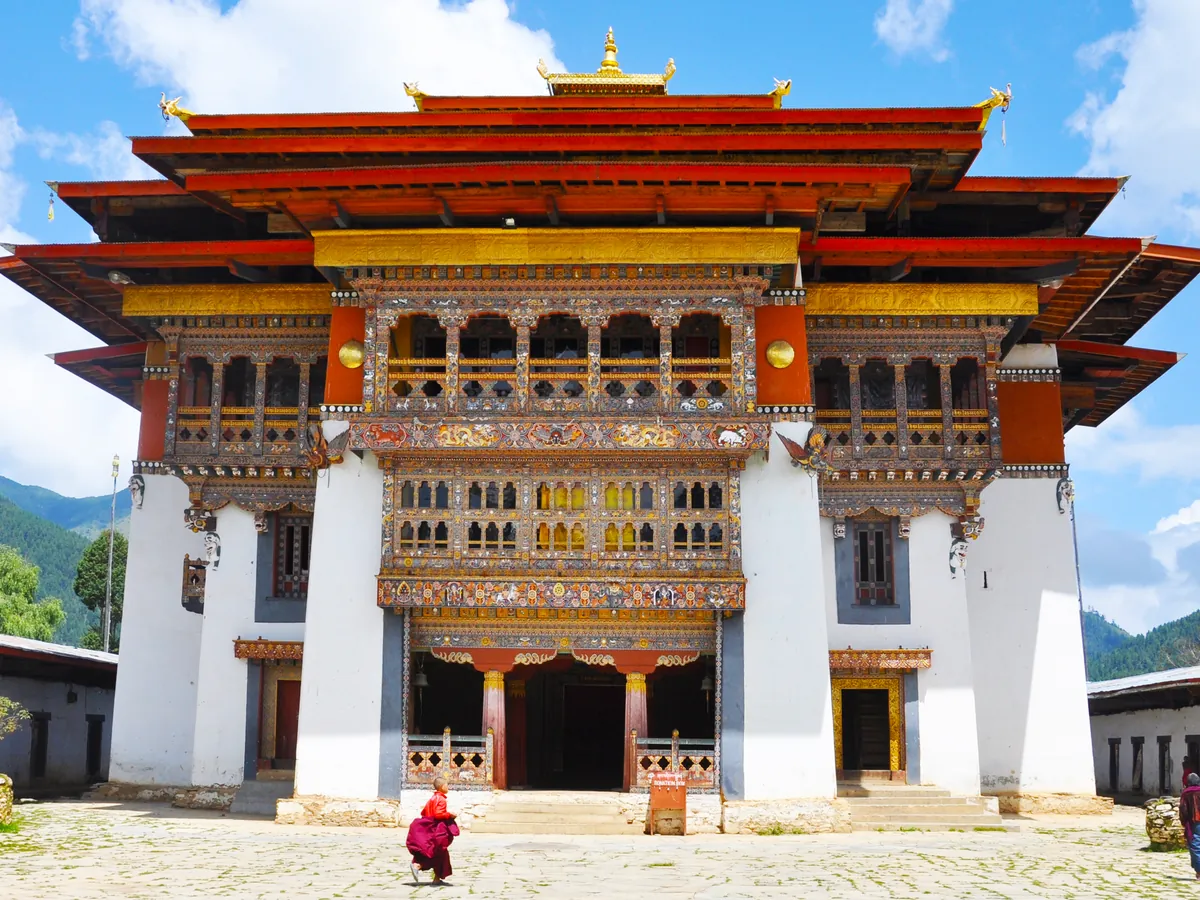
A seventeenth-century Nyingma monastery on the ridge above the valley, restored over nine years with traditional joinery. The courtyard view down the bowl is the one photograph everybody takes.
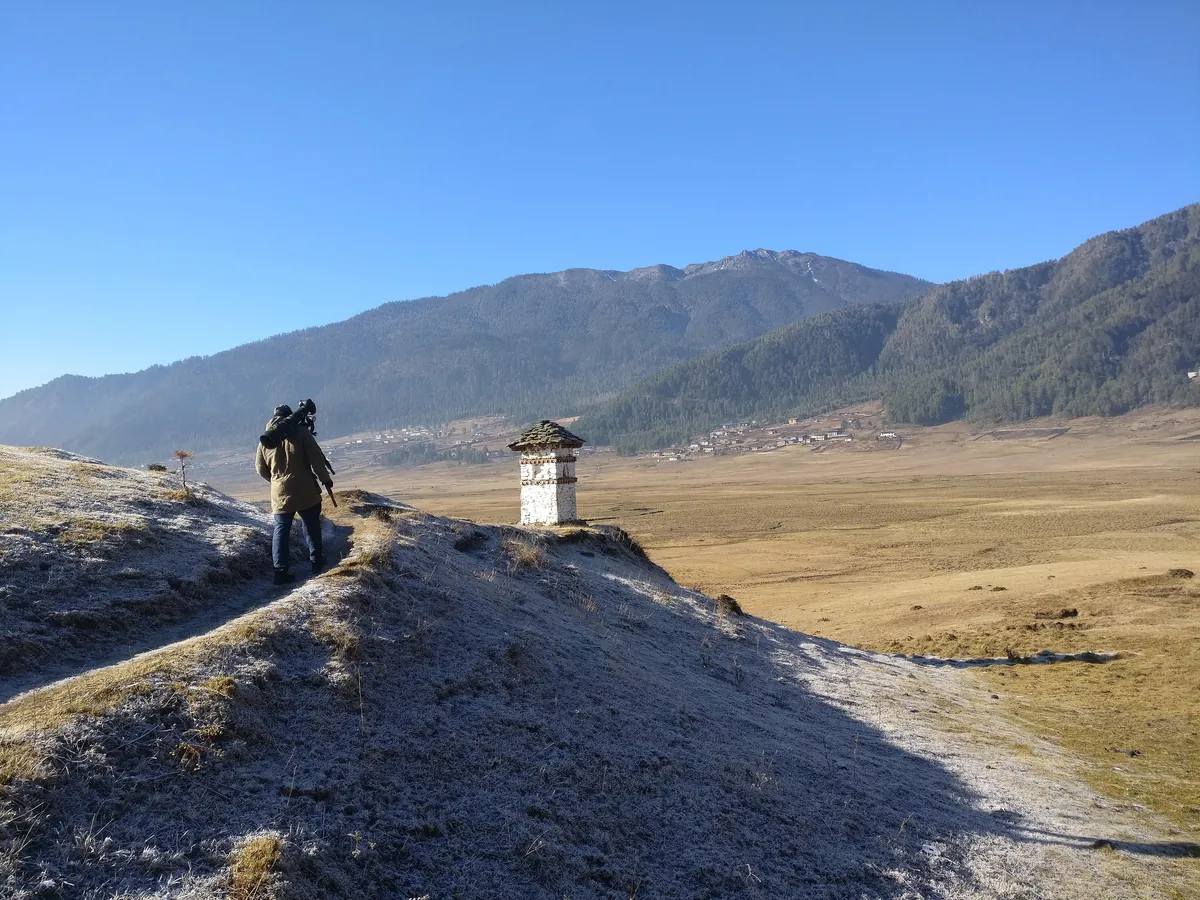
An easy 90-minute downhill walk from the monastery through pine and dwarf bamboo, past a village, ending at the valley floor. The best short walk in Bhutan.
Farmhouse stays are common here and the valley has no street lighting. If you care about stars, this is where you get them.
Two and a half hours east of Punakha, through Wangdue Phodrang and then up over Pele La at 3,420 m before dropping into the bowl. It is the furthest east most western-circuit trips go, and the road beyond continues to Trongsa and Bumthang. Coming straight from Thimphu in one day is about five hours — doable, but long.
One night gets you the monastery, the nature trail and a dusk at the roost. Two is better in crane season, because the birds move at first light and last light and one night only gives you one of each. Outside winter, one night is plenty unless you specifically want the walking.
The SDF is the same ₹1,200 per adult per night (₹600 for ages 6–12) as everywhere in Bhutan. The Crane Information Centre charges a small entry for the hide and its scopes. Farmhouse stays here cost less than hotels elsewhere on the circuit, and there is nowhere to spend money after dark, because the valley has no street lighting and few shops.
Gangtey Goenpa is on the ridge above the valley floor and is part of any visit. Punakha is 2 hr 30 min west. Trongsa and the road to Bumthang run east, which is how the longer central-Bhutan itineraries continue from here.
| Months | Weather | What it is good for | The catch |
|---|---|---|---|
| March–May | Cool, 5–18°C | The nature trail at its best | Cranes have gone by mid-March |
| June–August | Wet, cold at night | Wildflowers across the valley floor | Mud, and Pele La can be slow |
| Sept–Nov | Crisp, 2–16°C | Cranes arrive late Oct; crane festival 11 Nov | Nights already near freezing |
| Dec–Feb | Freezing, −7–10°C | Full crane season and dark skies | Very cold; heating is a bukhari stove |
Tell us how many days you have. We will say honestly whether it belongs in your trip or whether the drive eats the day.
Talk to a Bhutan specialist →