Entry
Bhutan Permits, Visas and the SDF
Indian, Bangladeshi and Maldivian nationals need a permit, not a visa. What documents to carry, where it is issued, what the SDF costs and how long it takes.

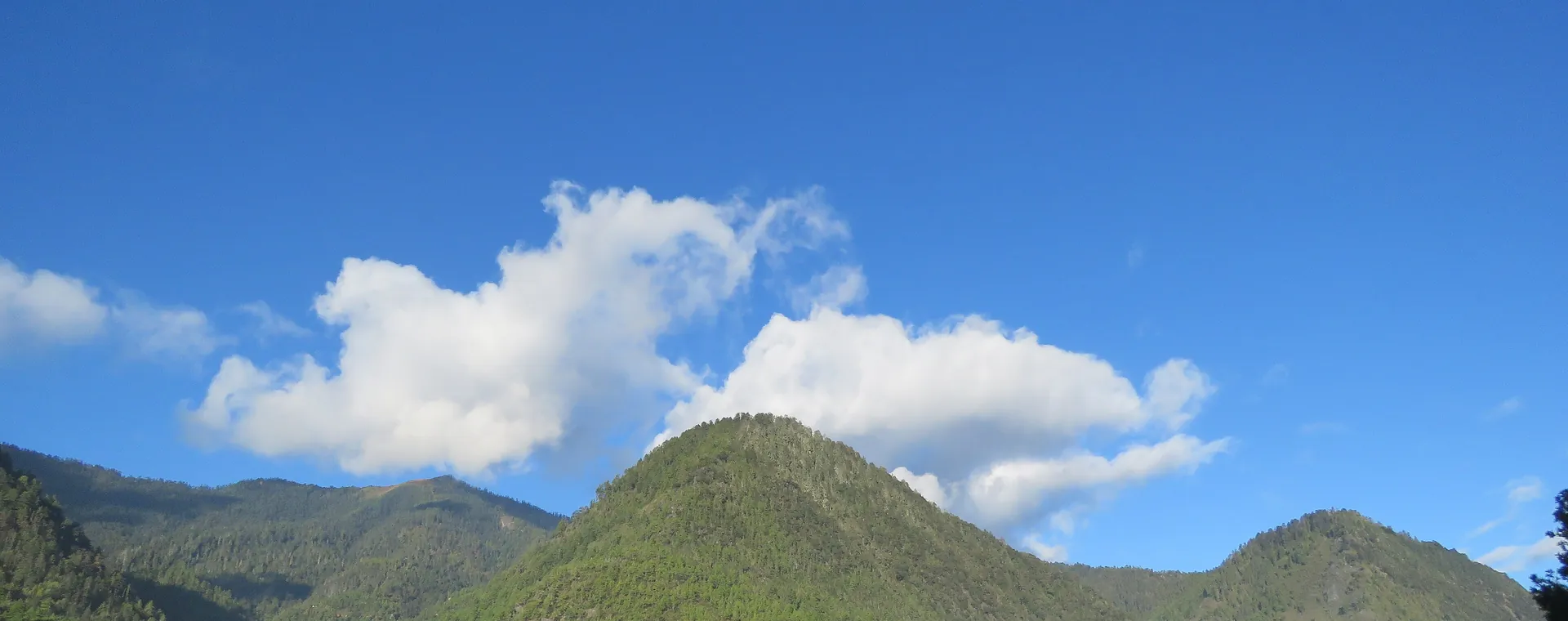
Pack layers and better shoes than you think you need. A single day in Bhutan can move you from 1,200 m to nearly 4,000 m, so a warm mid-layer earns its place even in summer. Add broken-in walking shoes for Taktsang, long trousers and covered shoulders for temples, sunscreen, and cash in small notes.
Bhutan’s weather is governed by elevation more than by season. On the standard western circuit you may start the morning at 1,200 m in Punakha in a shirt and be standing at Dochula at 3,100 m in a wind two hours later. One warm layer you can put on and take off beats one heavy coat every time.
| Season | Base layers | Mid and outer | The thing people forget |
|---|---|---|---|
| March–May | Light long sleeves | Fleece; light rain shell | Sunscreen — UV at 3,000 m is fierce |
| June–Aug | Quick-dry shirts | Proper rain jacket, not an umbrella | A dry bag for camera and documents |
| Sept–Nov | Long sleeves | Fleece and a windproof layer | Gloves for early mornings at the passes |
| Dec–Feb | Thermals | Down or heavy fleece, windproof shell | A warm hat — heating is patchy at night |
The one thing worth spending on. You need broken-in walking shoes with real grip for the Taktsang path, which is dirt, stone steps and a long staircase, and is slick in places after rain. New boots bought for the trip are the most common avoidable mistake people make.
Bring a second, easy pair as well — slip-ons or sandals. Shoes come off at every temple door, and on a day with four lhakhangs in it you will be glad not to be unlacing boots each time.
Every dzong and lhakhang requires long trousers or a long skirt and covered shoulders, so build the wardrobe around that rather than packing one “temple outfit”. Convertible zip-off trousers are a false economy here; they are shorts when it matters. See the temple etiquette guide for the full dress code.
Layers. A warm mid-layer belongs in the bag even in summer, because a single day can move you from 1,200 m to nearly 4,000 m. Bring long trousers and tops with covered shoulders for temples, and a rain shell from June to August.
Broken-in walking shoes with proper grip. The path is dirt, stone steps and a long staircase into the gorge, and it is slick after rain. Do not buy new boots for the trip. Bring an easy second pair too, since shoes come off at every temple door.
Bhutan runs on 230 V with types C, D and G sockets, so Indian plugs largely work. A universal adapter removes the doubt, and a power bank is worth carrying because village electricity is real but not guaranteed.
Only with advance permission. Drones are restricted around dzongs, airports and the border, and flying one without written clearance is not worth the risk. Assume no unless it has been cleared for you specifically.
Indian, Bangladeshi and Maldivian nationals need a permit, not a visa. What documents to carry, where it is issued, what the SDF costs and how long it takes.
October and November give the clearest mountain views, March to May the rhododendron and the big tshechus. Month-by-month weather, festivals and trade-offs.
Ngultrum is pegged 1:1 to the rupee and INR is accepted widely. Where cards work, which notes get refused, where the ATMs are and how much cash to carry.
Thimphu 2,320 m, Phobjikha 3,000 m, Chele La 3,988 m — nothing technical, but the numbers are real. What the Tiger’s Nest climb involves, and how to prepare.
Long trousers and covered shoulders in every dzong, shoes and hats off, no photography inside, walk clockwise. The rules Bhutan is genuinely firm about.
Ask us anything about Bhutan, even if you never book. We would rather you arrived well prepared.
Talk to a Bhutan specialist →